
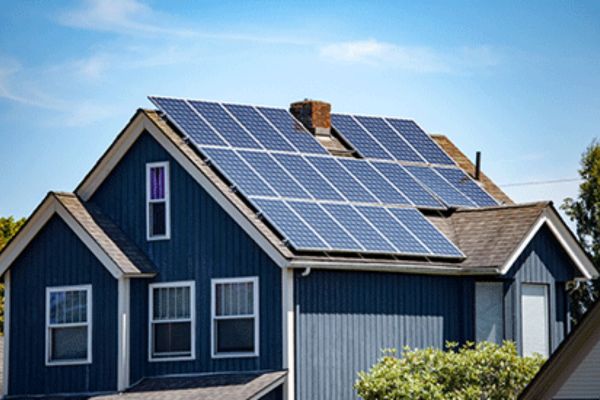
Choosing solar for your home is not simply about buying the largest system that will fit on your roof. The right residential solar system in Brisbane should match your household’s electricity consumption, available roof space, budget and future energy needs.
With Brisbane receiving strong levels of sunlight, rooftop solar can help homeowners reduce the amount of electricity they purchase from the grid. However, choosing the right system size and design is important for getting the most from your investment.
How Do You Know What Solar System Size You Need?
Your electricity usage is one of the most important factors when selecting a solar system. Check your recent electricity bills to see your average daily consumption in kilowatt-hours (kWh).
A larger household with high air-conditioning use, electric hot water, pool equipment or other energy-intensive appliances may require more solar generation than a smaller household.
Instead of choosing a system based only on your home’s size, a professional solar assessment can help determine what capacity is appropriate for your actual usage.
Does Your Roof Have Enough Space for Solar Panels?
Available roof space can influence your solar system design. The roof needs enough suitable, relatively unobstructed area for the required number of panels.
Roof orientation, pitch and shading from trees or nearby buildings can affect solar generation. A well-designed Brisbane solar system should take these conditions into account rather than simply focusing on the number of panels.
Should You Choose a Larger Solar System?
A larger system can generate more electricity, but bigger does not automatically mean better.
If your household uses more electricity during the day, generating more solar power can help reduce your reliance on grid electricity. If much of your electricity is used at night, you may also want to consider whether battery storage could complement your solar system.
Your future electricity needs are worth considering too. If you plan to purchase an electric vehicle, install a pool, switch to electric appliances or increase air-conditioning use, your energy consumption could increase over time.
Do You Need a Solar Battery as Well?
A battery is not essential for every Brisbane home, but it can be considered when designing a new solar system.
Solar panels generate electricity during daylight hours, while many households continue using electricity in the evening. A battery can store some excess solar energy for later use.
If you are interested in backup power during outages, discuss this requirement with your installer. A standard grid-connected solar system does not necessarily continue operating during a blackout, so backup capability needs to be specifically designed into the system.
What Else Should You Consider Before Installing Solar?
The panels are only one part of a complete solar system. Your installation may include an inverter, mounting equipment, cabling, switchboard work and electrical connection requirements.
Your property’s electrical supply also matters. Homes with single-phase and three-phase connections can have different installation considerations. Local network requirements may also influence how your system is connected to the electricity grid.
When comparing quotes, look beyond the headline price. Check the panel and inverter models, system capacity, estimated generation, warranties, installation inclusions and any additional electrical work.
How Can You Choose the Right Solar Installer in Brisbane?
A professional assessment is an important step before committing to a system. An installer can consider your roof, electricity usage, shading, electrical setup and future requirements when developing a suitable system design.
For homeowners considering residential solar in Brisbane, a professional installer can help determine which system configuration is appropriate for the property.
You can also learn more about solar solutions and electrical services from Brisbane Solar Electrical.
Choosing the right system is ultimately about balance: enough generation to meet your electricity requirements, a design that suits your roof and electrical setup, and equipment that fits your current and future plans. Taking the time to assess these factors can help you make a more informed solar investment for your Brisbane home.