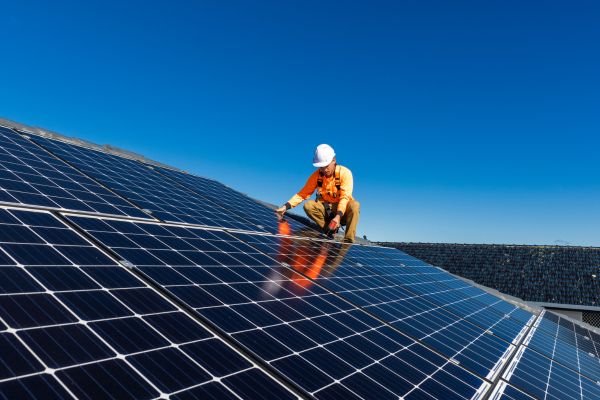
Electricity is a major operating expense for many Brisbane businesses, particularly factories, warehouses, manufacturing facilities and other industrial operations that rely on machinery and equipment throughout the day. As energy costs affect business budgets, finding ways to manage electricity consumption has become increasingly important.
Industrial solar provides an opportunity for businesses to generate their own electricity, reduce reliance on grid power and improve long-term energy management. With a system designed around the facility’s energy requirements, businesses can make better use of available roof space while working towards lower operating costs.
How Does Industrial Solar Work for Businesses?
Industrial solar systems use photovoltaic panels to convert sunlight into electricity that can power equipment, lighting, machinery and other electrical systems. The electricity generated can be used directly by the facility, reducing the amount of power it needs to purchase from the electricity grid.
For businesses operating during daylight hours, this can be particularly beneficial because solar generation may align with periods of high electricity demand.
The effectiveness of an industrial solar system depends on several factors, including electricity consumption, available roof space, panel orientation, shading and the timing of energy use. A properly designed system takes these factors into account to help maximise the value of the installation.
How Can Industrial Solar Lower Electricity Bills?
One of the main reasons businesses consider industrial solar is the potential to reduce ongoing electricity expenses. Generating electricity on-site can lower the amount of grid power a facility needs to purchase.
1. Generate Electricity During Business Hours
Factories, workshops and warehouses often consume significant amounts of electricity while operating. Solar panels can generate power during daylight hours, helping meet some of this demand.
The more solar electricity a business can use directly, the less it may need to purchase from the grid during those periods. Reviewing daily electricity consumption helps determine whether solar generation matches the facility’s operating schedule.
2. Reduce Exposure to Changing Energy Prices
Electricity prices and usage charges can affect business operating budgets. By generating part of its own electricity, a business may reduce its exposure to changes in grid electricity costs.
Although solar does not eliminate every electricity expense, it can provide greater control over a portion of the facility’s energy requirements. Actual savings depend on the system’s performance, electricity tariffs and how much generated power is used on-site.
3. Improve Long-Term Energy Planning
Industrial solar is a long-term investment that can help businesses plan their energy expenditure more effectively. Understanding expected solar generation, system maintenance requirements and electricity consumption allows business owners to evaluate potential savings over the system’s useful life.
A financial assessment should consider installation costs, ongoing maintenance, equipment performance and the expected value of the electricity generated before a final decision is made.
Why Is Customised Solar System Design Important?
Every industrial facility has different energy requirements. A manufacturing plant may use heavy machinery, while a warehouse may have substantial lighting, refrigeration or equipment loads.
Choosing a system based only on roof size may result in a design that does not suit the business’s actual electricity consumption. Instead, system planning should consider historical electricity bills, interval meter data where available, daytime demand and the usable roof area.
Brisbane Solar Electrical provides customised industrial solar solutions designed around the operational needs of businesses. This approach helps businesses assess suitable system capacity and identify opportunities to improve energy efficiency.
Can Industrial Solar Support Business Growth?
As businesses expand, their electricity requirements may increase due to additional machinery, larger facilities or longer operating hours. A well-planned solar installation can take future energy needs into account.
Scalable system design may allow additional solar capacity to be considered as operations grow, subject to roof capacity, electrical infrastructure, network approval and other technical requirements.
Businesses should also evaluate whether battery storage is appropriate for their operations. Batteries can store excess solar electricity for later use, but their additional cost means the financial benefits need to be assessed carefully.
What Should Brisbane Businesses Consider Before Installing Industrial Solar?
Before investing in an industrial solar system, business owners should review:
Electricity usage: Understand how much power the facility consumes and when demand is highest.
Roof condition and space: Confirm that the roof can accommodate the proposed panels and mounting equipment.
System capacity: Select a design that matches energy requirements and expected future demand.
Installation costs: Consider equipment, electrical upgrades, installation and maintenance expenses.
Grid connection: Check applicable network connection requirements and export limits.
Expected savings: Compare the projected value of solar electricity with the total cost of the investment.
These considerations help businesses make informed decisions rather than relying on general savings estimates that may not reflect their circumstances.
Is Industrial Solar a Practical Investment for Your Business?
Industrial solar can be a useful option for Brisbane businesses seeking to manage electricity expenses, improve energy efficiency and reduce their environmental impact. Facilities with suitable roof space and substantial daytime electricity consumption may be particularly well positioned to benefit.
The best results depend on choosing an appropriately sized system and understanding how solar generation fits the business’s daily operations. Reviewing energy bills and obtaining a tailored assessment can help establish the potential financial benefits.
Businesses exploring industrial solar solutions in Brisbane can assess their energy requirements and discuss a system designed to support their operational goals. With careful planning, industrial solar can become a practical part of a long-term strategy for controlling electricity costs and supporting sustainable business growth.